Home / Services / Attic Insulation
Where Indiana winters are won
Attic Insulation in Lafayette, Indiana
An attic is the cheapest square footage in the house to get right, and in this climate it has to work in both directions: holding heat in January and keeping it out in July.
Air Sealing Comes Before Insulation
Insulation slows heat moving through a material. It does nothing about air moving around it. Before any new material goes in we seal the penetrations that leak conditioned air into the attic: top plates, wiring and plumbing chases, recessed light housings, bath fan bodies, the chase around a flue, and the attic hatch itself.
Skip that and you can add a foot of insulation and still feel the draught, because the air is going around the material rather than through it. It is also why we measure rather than guess — adding depth over an unsealed attic floor buries the problem instead of solving it.
Floor or Roof Deck
An attic can be insulated at the floor or at the roof deck, and the right answer depends entirely on what is up there. If the attic is pure storage and every duct and air handler lives in conditioned space below, insulating the floor is usually the better value.
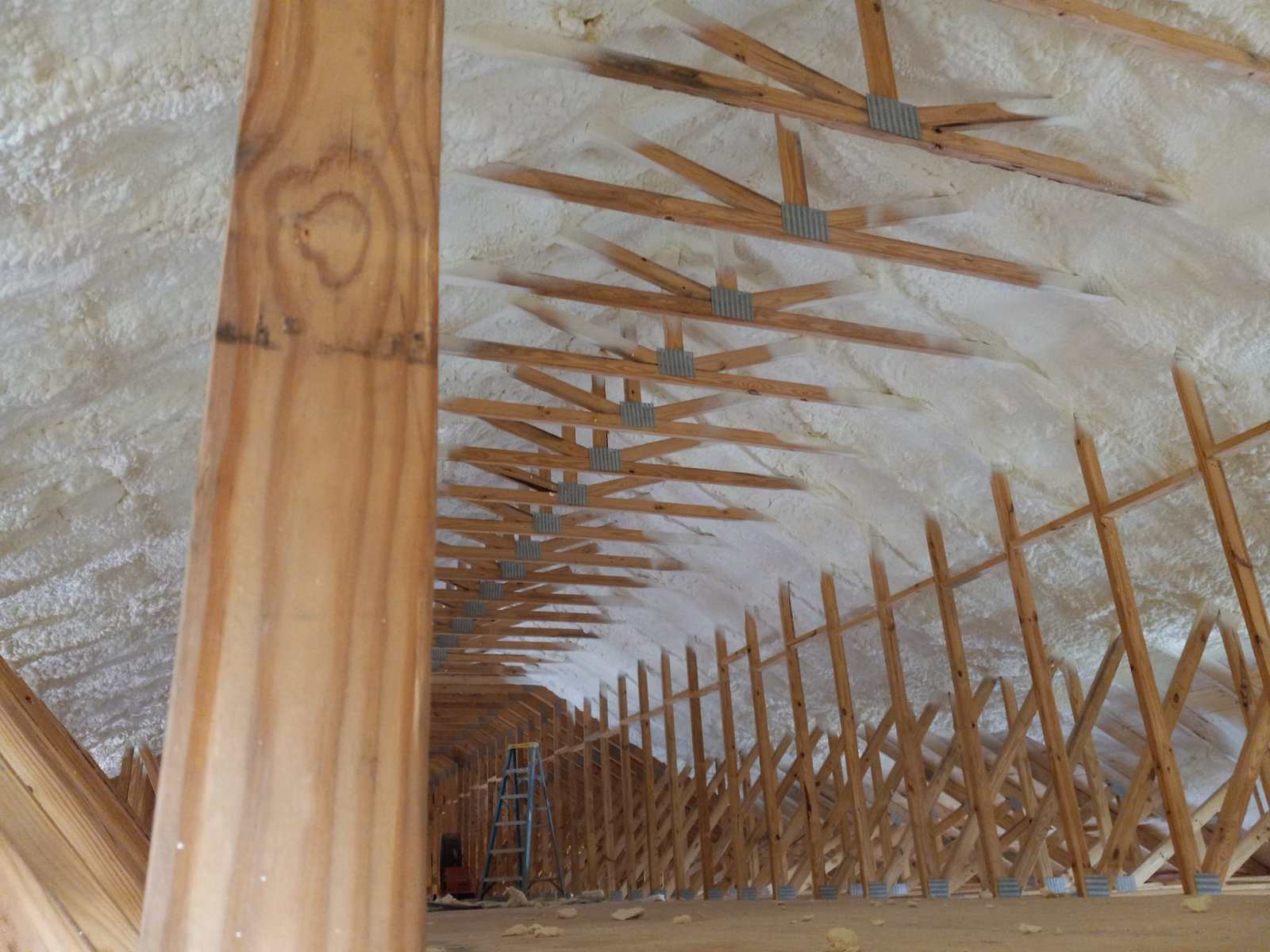
If your ductwork, air handler or plumbing runs through the attic — and in a great many Tippecanoe County homes it does — insulating the roof deck brings that equipment inside the thermal envelope. In an Indiana January, plumbing in an unconditioned attic is not only an efficiency question.
Both Ends of an Indiana Year
Lafayette gets genuinely cold winters and humid summers, so the attic has to perform in two opposite conditions. In winter, warm moist indoor air rises into a cold attic and condenses on the underside of the sheathing; that is where damp sheathing and ice-damming problems begin, and it is an air problem before it is an insulation one. In summer the same space bakes, and any ductwork in it loses capacity.
We look at both when we inspect, because a specification that fixes one and ignores the other is half a job.
Talk through what is in your attic: call (765) 221-3599 or request a free estimate.
Choosing the Material for the Assembly
Closed-cell foam on the roof deck gives the highest R-value per inch and acts as its own air and vapour control layer, which matters in a vented-to-unvented conversion. Open-cell foam covers more area per dollar at a lower R per inch and suits a deck with the depth to carry it. Blown-in loose fill remains the economical choice for an attic floor that only needs depth restored.
We quote the assembly, not a product we happen to prefer. If your attic floor only needs sealing and a top-up, we will say so rather than sell you a foam job.
How it runs
What an attic project looks like
We get into the attic
Not a doorway glance. We check depth, coverage, ventilation, and whether ducts, fans and plumbing are doing what they should.
You get a measured scope
The written estimate names the material, the installed depth and every area included, plus any air sealing or venting the result depends on.
Prep and protect
Access routes and the rooms below are covered before anything is carried in. Old material comes out first where it has to.
Seal, then insulate
Penetrations are sealed, then the new material goes in to the depth quoted and is checked across the whole area, not just at the hatch.
Attic questions
What Lafayette homeowners ask
Should I insulate the attic floor or the roof deck?
It depends on what runs through the attic. If ducts, an air handler or plumbing are up there, insulating the roof deck brings them inside the envelope and is usually the better long-term answer. If the attic is storage only, the floor is often better value.
We get ice dams. Is that an insulation problem?
It is usually an air leakage and heat loss problem that shows up as ice. Warm air escaping into the attic melts snow on the roof, which refreezes at the cold eave. Sealing the leaks and getting the insulation right at the eaves addresses the cause rather than the symptom.
Do I have to remove the old insulation first?
Not always. Loose fill that is dry, clean and simply shallow can often be topped up. It comes out when it is wet, contaminated, rodent-damaged, or when we are converting to a sealed roof-deck assembly where it would trap moisture against the new work.
Is there any benefit in summer, or is this a winter job?
Both. A Lafayette attic gets very hot in July, and if your ducts run through it the air conditioning is pushing cooled air through a hot space. Sealing and insulating helps in both seasons, which is part of why it pays back.
Can you work around what we store up there?
We would rather you cleared what you can, and we will tell you honestly what has to move before the crew arrives. Insulation installed around boxes leaves gaps exactly where nobody can see them.
Find out what your attic actually needs
We will get up there, measure what is in place and put the options in writing before you decide anything.
Free written estimates • Measured depth, not a guess • Local Tippecanoe County crew
Related work
Other services we install
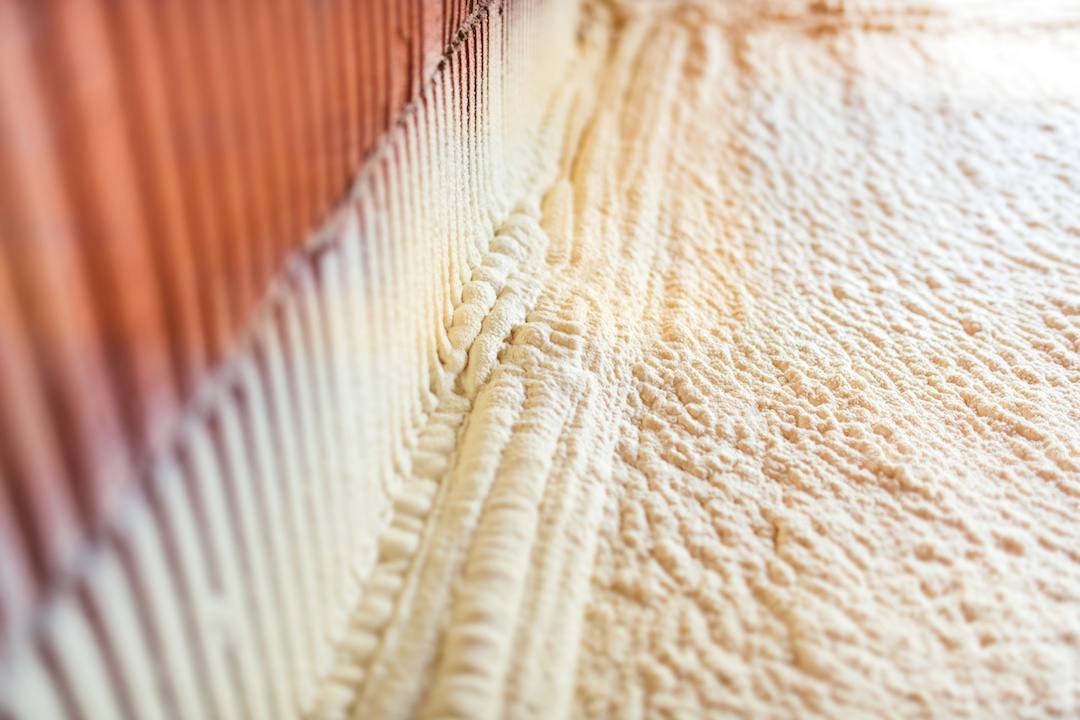 Crawl Space InsulationThe other end of the house, and the other half of most comfort complaints.Explore service →
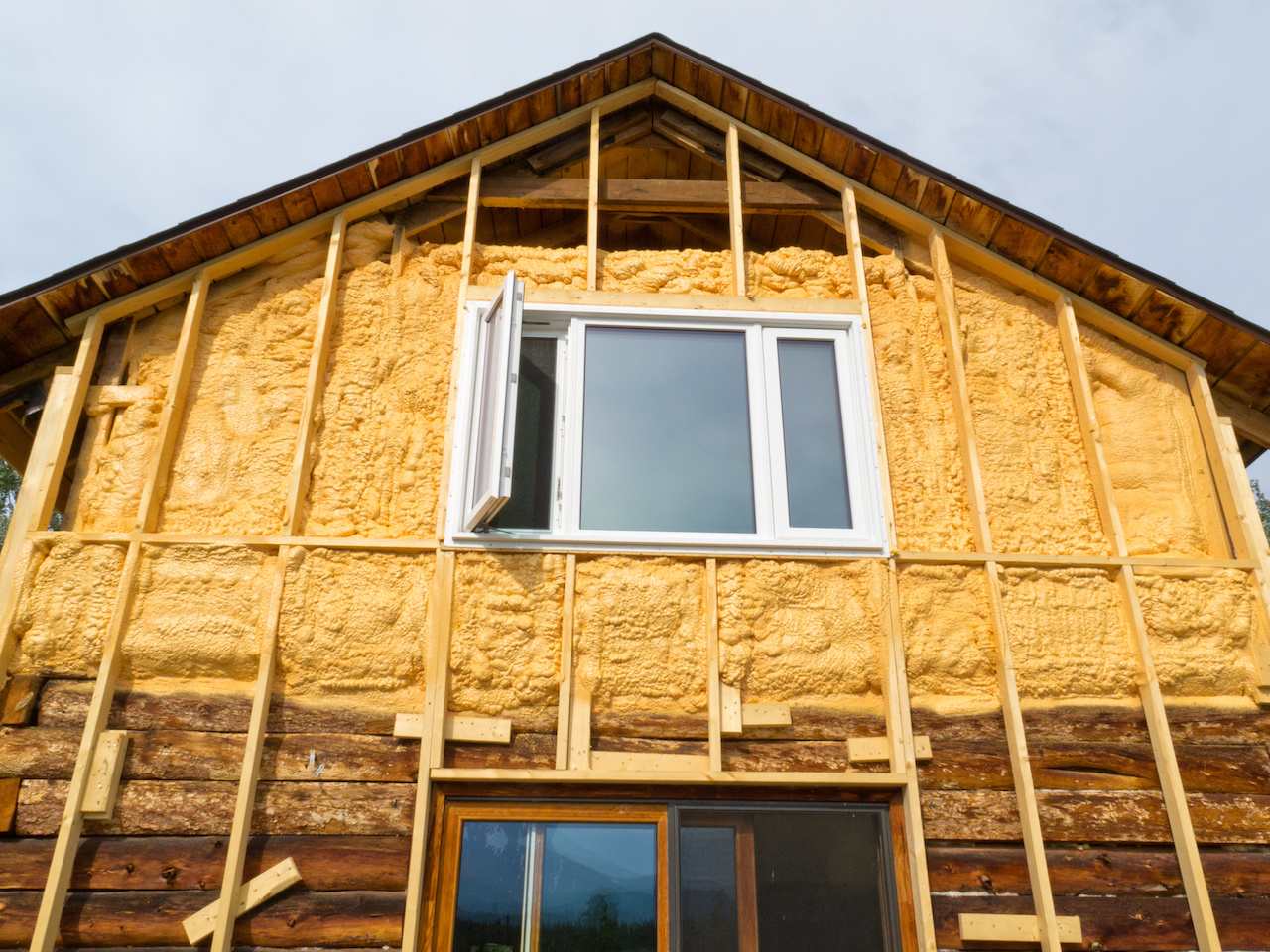 Injection Wall FoamFoam injected into finished walls through small access holes.Explore service →
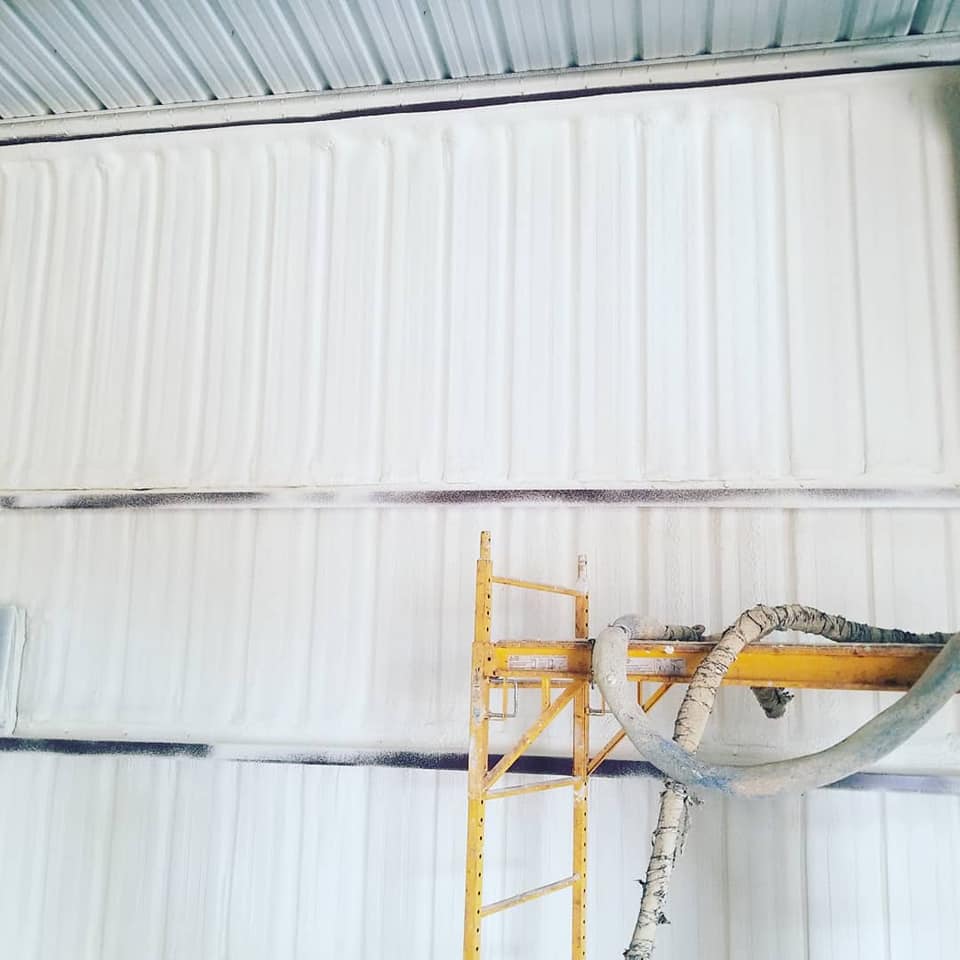 Commercial InsulationPole barns, metal buildings, shops and warehouse space.Explore service →